Top PCB Fabrication and Assembly Manufacturers Worldwide

Blog

Top PCB Fabrication and Assembly Manufacturers Worldwide

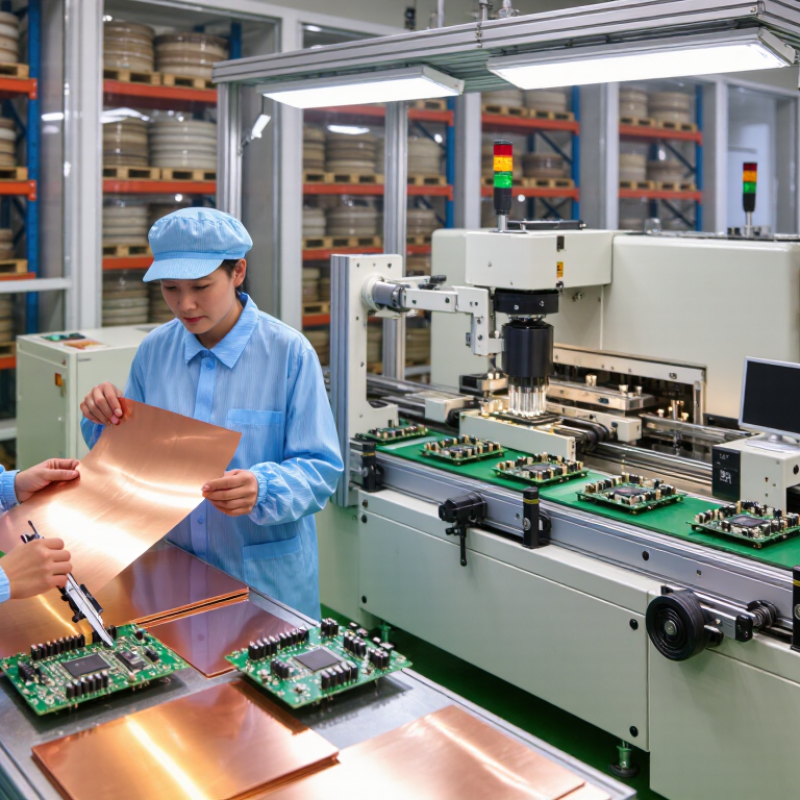
Selecting reliable partners for pcb fabrication and assembly requires more than comparing quoted prices. A capable manufacturer must control materials, impedance, solder quality, traceability, and delivery risks. These details become visible on the production floor: copper foils are inspected, solder paste is measured, and assembled boards move through optical inspection before shipment.

The market is expanding with demand from electric vehicles, industrial automation, telecommunications, and advanced computing. Grand View Research valued the global printed circuit board market at approximately USD 89.7 billion in 2023. Its outlook also indicates continued growth through 2030. IPC’s Global Sentiment of the Electronics Industry reports highlight changing demand, component availability, and supply-chain uncertainty. These findings explain why supplier selection should include capacity, engineering support, and resilience—not only unit cost.

Quality evidence matters. Strong manufacturers commonly work against standards such as IPC-A-600 for board acceptability, IPC-6012 for rigid printed boards, and IPC J-STD-001 for soldered assemblies. Certifications can support confidence, but they do not replace factory audits or sample testing. Ask for inspection records, material certificates, test coverage, and corrective-action history. A useful comparison also examines prototype response time, minimum order quantities, layer capability, and communication practices.

This guide reviews leading manufacturers worldwide through those practical criteria. The ranking is not absolute. A high-volume automotive supplier may not suit a medical prototype. Even experienced buyers can overlook regional logistics, engineering change control, or after-sales support. That is worth remembering. The best partner is the one whose documented process fits your product, risk level, and production stage.
Top PCB Fabrication and Assembly Manufacturers Worldwide

Definition and Scope of PCB Fabrication and Assembly

Top PCB Fabrication and Assembly Manufacturers Worldwide

Definition and Scope of PCB Fabrication and Assembly

PCB fabrication converts electrical designs into physical circuit boards. The process includes laminate preparation, imaging, copper etching, drilling, plating, solder-mask coating, surface finishing, and electrical testing. Each stage affects signal integrity and long-term reliability. Small details matter, such as a blocked via, uneven copper thickness, or contamination under the solder mask.

PCB assembly places and connects components on the fabricated board. It commonly covers solder-paste printing, surface-mount placement, through-hole insertion, reflow soldering, inspection, functional testing, and production traceability. Automated optical inspection can detect placement and solder defects, while X-ray inspection reveals hidden joint problems. The boundary is not always clean. Some suppliers also manage component sourcing, programming, repair, and final system integration.

Market data shows why this scope keeps expanding. Grand View Research estimated the global PCB market at about USD 76.2 billion in 2023, with growth projected through 2030. Precedence Research valued the broader electronics manufacturing services market at over USD 585 billion in 2023. These figures include different activities, so direct comparisons can mislead. A low defect rate is useful, but it does not prove design quality. Engineers still need documented materials, controlled process parameters, IPC-based acceptance criteria, and evidence from testing. In practice, cost pressure sometimes encourages shortcuts. That deserves scrutiny.

Key Criteria for Evaluating Global PCB Manufacturers

Evaluating global PCB manufacturers requires more than comparing quotations. Prismark’s 2024 market review estimated worldwide PCB sales at about US$89 billion. That scale creates pressure on pricing, capacity, and delivery promises. Buyers should examine audited quality systems, process capability, and production traceability. Certifications matter, but certificates alone prove little.

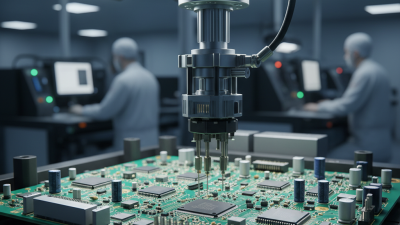
Ask for measurable evidence. Review first-pass yield, defect rates, drill accuracy, impedance control, and corrective-action records. IPC standards provide useful technical benchmarks for fabrication and assembly. A capable supplier should explain how it controls copper thickness, solderability, and component placement. Request recent sample reports, not polished marketing slides. Factory visits can reveal inspection queues, aging equipment, and manual workarounds.

Capacity must match the product’s real demand. Check monthly output, equipment redundancy, material sourcing, and average lead times. The 2023 World Semiconductor Trade Statistics forecast showed continuing volatility across electronics supply chains, making contingency planning essential. A second qualified site may reduce disruption risk. Sustainability also deserves evidence, including energy use, waste handling, and restricted-substance controls.

Do not ignore communication quality. Technical questions should receive precise answers. Vague replies are warning signs. In my experience, the cheapest quotation often excludes testing, tooling, or engineering changes. That comparison can be misleading. A stronger evaluation combines factory evidence, production data, financial stability, and customer references. Even then, no supplier is perfect; pilot runs may expose weaknesses that audits miss.

Major Regional Hubs in the Worldwide PCB Industry

The worldwide PCB industry is shaped by several regional manufacturing hubs, each with distinct strengths. East Asia remains a major center for high-volume fabrication and assembly. Dense supplier networks support laminates, copper foil, drilling, testing, and logistics. Production lines often run continuously, while automated optical inspection checks fine traces and solder joints.

Europe serves many projects requiring traceability, engineering support, and specialized circuit designs. Regional plants commonly handle industrial controls, transportation electronics, medical equipment, and advanced prototypes. Compliance documentation can be extensive. However, shorter supply routes may reduce coordination problems during design changes. The balance is not always simple.

North America maintains strong capabilities in rapid prototyping, defense-related electronics, aerospace systems, and complex low-volume production. Engineers can work closely with fabrication teams, especially when tolerances change late. Southeast Asia is also expanding its role, supported by improving infrastructure and growing technical workforces. Yet capacity, materials, and testing depth can differ sharply between neighboring facilities.

Factory assessments should examine more than monthly output. Visitors should review layer registration, impedance control, cleanliness, rework records, and delivery history. Regional reputation helps, but it cannot replace process evidence. A supplier in a famous hub may still struggle with communication or quality consistency. The industry map is useful, but it is imperfect. Procurement teams need current audits, realistic lead-time checks, and clear acceptance criteria before selecting a manufacturing region.

Major Regional Hubs in the Worldwide PCB Industry

Estimated share of global printed circuit board production value by major manufacturing region. Figures are rounded industry estimates for 2023 and represent regional production concentration rather than individual company revenue.

China remains the largest PCB manufacturing hub, while Taiwan, South Korea, Japan, Southeast Asia, Europe, and North America form important regional centers for high-volume, advanced, automotive, industrial, and aerospace PCB production.

Leading Manufacturers and Their Core Capabilities

Top PCB Fabrication and Assembly Manufacturers Worldwide

Leading manufacturers compete through process depth, not factory size alone. Global market research estimates the PCB sector reached about US$89.7 billion in 2023. Grand View Research projects steady growth through 2030. That expansion raises expectations for tighter tolerances and faster production.

High-capability manufacturers support multilayer, HDI, rigid-flex, and metal-core boards. Their lines combine laser drilling, automated optical inspection, solder-paste measurement, and controlled impedance testing. Advanced assembly teams manage SMT and through-hole components on the same board. They also provide design-for-manufacturing reviews, traceability, and functional testing. IPC standards guide many acceptance criteria, especially for solder joints, cleanliness, and reliability. These details matter when a board carries dense connectors or fine-pitch packages.

Tips: Ask for capability tables, not broad claims. Check minimum trace width, layer count, microvia structure, and test coverage. Request recent process-yield data when available. A low quotation may hide engineering limits. I would also verify material availability and change-control procedures. That step is often overlooked. Prismark’s industry analysis shows demand remains sensitive to computing, automotive, and industrial cycles, so capacity can shift quickly. A polished sample can still mislead; production consistency deserves more attention than appearance.

Top PCB Fabrication and Assembly Manufacturers Worldwide - Leading Manufacturers and Their Core Capabilities

Manufacturer Profile Primary Region Core Manufacturing Role PCB Technologies Typical Layer Capability Assembly Services Common Quality Standards Key End Markets
Manufacturer Profile 01 North America High-reliability prototype, low-volume and regulated-product manufacturing Rigid PCB Rigid-flex HDI RF/microwave 2–30+ layers, with advanced HDI and controlled-impedance options SMT, through-hole, box build, cable and wire harness integration, engineering validation ISO 9001; IPC-A-600; IPC-A-610; sector-specific aerospace, defense or medical controls Aerospace, defense, medical, industrial electronics
Manufacturer Profile 02 Western Europe Automotive and industrial electronics manufacturing with traceability-focused production Multilayer PCB Metal-core PCB HDI High-reliability boards 2–24 layers, including fine-pitch and high-density interconnect designs Automated SMT, selective soldering, conformal coating, test engineering and product assembly ISO 9001; ISO 14001; IATF 16949 for automotive production; IPC-A-610 Automotive, energy, factory automation, transportation
Manufacturer Profile 03 East Asia High-volume PCB fabrication and electronics manufacturing services High-layer PCB HDI Flexible PCB RF PCB 2–40+ layers, depending on material system, line width and application High-speed SMT, micro-BGA placement, automated optical inspection, X-ray inspection and functional testing ISO 9001; ISO 14001; IATF 16949; IPC-A-600; IPC-A-610 Consumer electronics, telecommunications, computing, automotive
Manufacturer Profile 04 Southeast Asia Export-oriented PCB assembly and cost-efficient medium-to-high-volume production Rigid PCB Multilayer PCB Flexible PCB Aluminum-core PCB 2–20 layers, with standard HDI and controlled-impedance capability SMT and through-hole assembly, solder paste inspection, AOI, in-circuit testing and final assembly ISO 9001; ISO 14001; IPC-A-610; selected facilities certified to IATF 16949 Consumer products, lighting, appliances, industrial controls
Manufacturer Profile 05 South Asia Engineering-led prototyping, quick-turn fabrication and small-to-medium batch assembly Single-sided PCB Double-sided PCB Multilayer PCB Rigid-flex 1–16 layers for standard production, with specialized higher-layer projects available SMT, through-hole, prototype assembly, design-for-manufacturing review and component sourcing ISO 9001; IPC-A-600; IPC-A-610; RoHS and REACH compliance support Industrial equipment, medical instruments, telecommunications, embedded systems
Manufacturer Profile 06 Central and Eastern Europe Nearshore electronics manufacturing for automotive, energy and industrial customers Multilayer PCB High-temperature PCB Metal-core PCB Rigid-flex 2–24 layers, with thermal-management and high-reliability material options SMT, through-hole, selective soldering, conformal coating, automated testing and system integration ISO 9001; ISO 14001; IATF 16949; ISO 13485 where medical production is offered Automotive, renewable energy, industrial automation, medical devices
Manufacturer Profile 07 East Asia Flexible and high-density circuit manufacturing for compact electronic products Flexible PCB Rigid-flex HDI Fine-line PCB 2–18 layers, including high-density designs for space-constrained assemblies Fine-pitch SMT, chip-on-board support, micro-component placement, AOI and electrical testing ISO 9001; ISO 14001; IPC-A-600; IPC-A-610; application-specific reliability testing Wearables, mobile devices, cameras, medical electronics
Manufacturer Profile 08 Global Multi-Region Operations Integrated design, fabrication, assembly and global supply-chain management Rigid PCB HDI Flexible PCB Rigid-flex RF PCB 2–40+ layers across multiple production sites and technology platforms Prototype-to-volume production, SMT, through-hole, system integration, testing, logistics and aftermarket support ISO 9001; ISO 14001; IATF 16949; ISO 13485; IPC-A-600; IPC-A-610 Automotive, aerospace, healthcare, communications, industrial technology

Note: Manufacturer names and brand-identifying information have been intentionally omitted. Capability ranges are representative of publicly documented PCB fabrication and electronics manufacturing practices; actual limits vary by facility, material selection, design rules, certification scope and production program.

Selecting the Right PCB Partner for a Project

Selecting the Right PCB Partner for a Project

Choosing a PCB partner should begin with your product’s real demands, not a glossy capability list. Confirm layer count, board dimensions, materials, tolerances, and expected production volume. A supplier experienced with high-speed or high-temperature designs may prevent costly redesigns later. Request sample build records, inspection reports, and clear explanations of defect rates. Ask directly.

Review the partner’s engineering support before discussing price. Can its team examine stackups, impedance requirements, thermal paths, and component placement? Can it provide design-for-manufacturing feedback before fabrication? Practical support matters when a prototype shows solder voids or uneven plating. Reliable partners explain the cause, propose corrective action, and document each change. Their process should include traceability, automated inspection, electrical testing, and controlled material storage.

Certifications can support credibility, but certificates alone do not prove manufacturing quality. Check whether audits are current and relevant to your product category. Discuss confidentiality, delivery planning, change control, and communication during delays. A factory that answers technical questions clearly is often safer than one offering the lowest quotation. I have learned that early conversations can expose hidden limits. Some suppliers promise broad capability, then outsource critical steps without explaining it. That is not always unacceptable, but it requires visibility and written approval. Request a pilot batch, inspect cross-sections, and compare results against your drawings. Leave room for human error in the schedule; even strong processes need review.