Top Tips for Choosing the Right Waterproof Power Connector?
Choosing the right Waterproof Power Connector can vastly improve the longevity and reliability of your electronic devices. Experts, like John Smith, a leading authority in the connector industry, emphasize that "The right connector can make or break your project." His insights reflect the importance of proper selection in various applications.
Waterproof power connectors are essential in environments where moisture and dust pose significant risks. They are widely used in industries like automotive, marine, and outdoor electronics. The challenge lies in understanding which features matter most. Many connectors claim to be waterproof, but the degree of protection can vary. Ensuring the correct rating and materials is crucial for optimal performance.
Mistakes in choosing waterproof connectors can lead to costly repairs or replacements. A connector that fails in adverse conditions can jeopardize an entire system. It’s vital to assess your project’s specific needs. At the end of the day, knowledge and careful consideration shape the right choice. Prioritizing expertise over flashy marketing can indeed save time and resources.
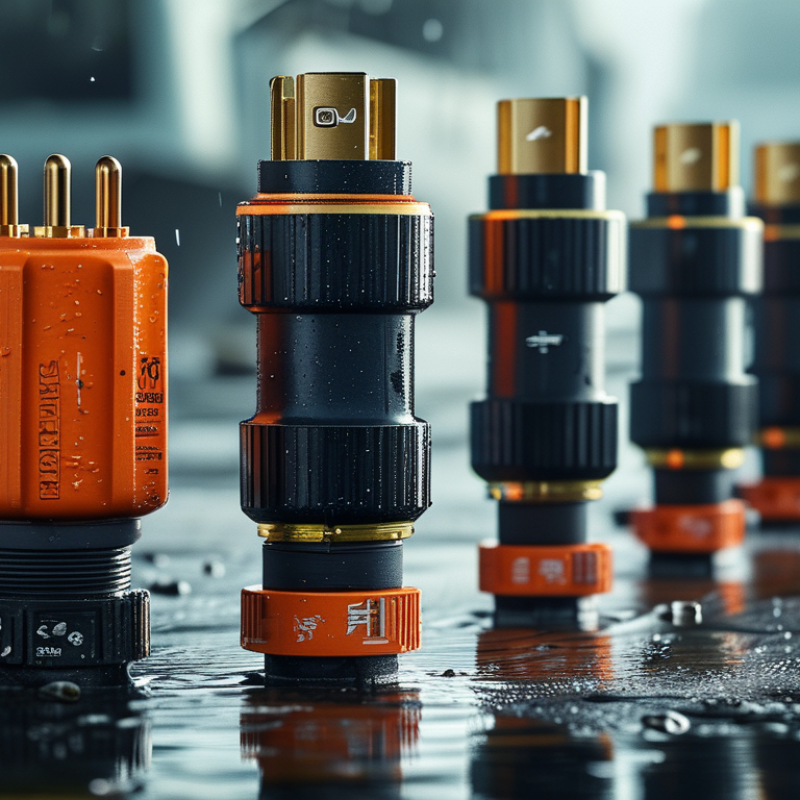
Understanding Waterproof Power Connectors: An Overview
Waterproof power connectors play a crucial role in many applications, from marine environments to outdoor electrical systems. Understanding their design and features can significantly influence your choice. These connectors are typically rated for different levels of water resistance, and selecting the right rating is essential for durability. Various designs exist, often featuring O-rings, gaskets, or unique locking mechanisms to enhance their waterproof capabilities.
When selecting a waterproof power connector, consider the environment where it will be used. For outdoor use, seek connectors with high IP ratings to ensure effective protection against water ingress. The materials used in the connector's construction are just as important; corrosion-resistant metals can extend the life of the connection.
Consider the connector's size and compatibility with existing systems. It's not unusual to overlook these details, leading to mismatched fittings or other installation issues. Look for a connector that not only meets your waterproof requirements but also integrates well with your project’s specifications. Using a connector that doesn’t fit perfectly can compromise its effectiveness.
Key Features to Look for in Waterproof Power Connectors
Choosing a waterproof power connector involves understanding key features. One crucial element is the ingress protection (IP) rating. This rating indicates the connector's resistance to water and dust. Look for an IP67 or higher rating for optimal protection against immersion in water.
Material quality is essential. Connectors made from corrosion-resistant materials, such as stainless steel or high-grade plastics, offer durability. These elements can enhance performance over time, especially in harsh environments. Keep an eye out for strain relief features as well. They prevent cable damage and ensure a secure connection.
Pay attention to temperature ratings. Connectors must perform well in both extreme heat and freezing conditions. An appropriate temperature range guarantees reliability in various settings. Additionally, test the locking mechanisms. A reliable lock can help in avoiding accidental disconnections. Regularly inspect connections for wear and tear to maintain their effectiveness.
Evaluating Environmental Conditions for Connector Selection
When selecting a waterproof power connector, evaluating environmental conditions is paramount. Different environments pose unique challenges. A connector used outdoors must withstand changes in temperature, humidity, and exposure to chemicals. According to a recent industry report, connectors made for marine environments can survive salinity and UV exposure, which is crucial for durability.
Temperature variations also affect connector performance. Connectors need to operate efficiently in both extreme heat and cold. Research indicates that connectors made with specific thermoplastics can perform well from -40°C to 85°C. Understanding these ranges can save time and costs in the long run.
Another aspect to consider is moisture ingress. IP ratings help gauge how resistant a connector is to water and dust. An IP67 rating, for instance, confirms it can be submerged in water up to one meter deep for 30 minutes. However, relying solely on these ratings can be misleading. Real-world applications may present conditions that test these specifications beyond their limits. Constant monitoring and occasional reassessment of connectors can prevent failures and ensure reliability.
Importance of Voltage and Current Ratings in Selection Process
When selecting a waterproof power connector, understanding voltage and current ratings is crucial. These specifications determine how effectively the connector can handle electrical loads. A connector with insufficient voltage rating may fail during operation, leading to possible equipment damage. Similarly, exceeding the current rating can cause overheating and eventual burnout.
It is essential to evaluate these ratings based on your specific application. Consider the environment where the connector will be used. Different settings may demand varying levels of protection against moisture and contamination. A high rating does not always equate to better performance in every scenario. It often requires a balance between voltage, current, and environmental resilience.
Also, keep in mind that the selection process can sometimes be overwhelming. You might question whether detailed specifications are necessary. Yet, overlooking these aspects can lead to expensive mistakes. It's worth investing time in understanding what is required. Revisiting these fundamentals can enhance your confidence in choosing the right connector for your project.
Top Tips for Choosing the Right Waterproof Power Connector
| Parameter | Description | Importance | Typical Range |
| Voltage Rating | The maximum voltage that the connector can safely handle. | Ensures safety and prevents breakdown of insulation. | 12V - 600V |
| Current Rating | The maximum current that can flow through the connector without overheating. | Prevents overheating and ensures efficiency. | 1A - 100A |
| IP Rating | Ingress Protection rating indicating the level of sealing effectiveness. | Determines the connector's resistance to dust and water. | IP67, IP68 |
| Material | The type of materials used in the connector. | Affects durability, corrosion resistance, and conductivity. | Plastic, Metal, Rubber |
| Temperature Range | The temperature extremes the connector can operate under. | Ensures performance in varying environmental conditions. | -40°C to +105°C |
Best Practices for Installation and Maintenance of Connectors
When dealing with waterproof power connectors, proper installation and maintenance are crucial. Begin by selecting connectors that meet the specific environmental requirements of your application. Consider factors like temperature range and exposure to harsh conditions. A common mistake is underestimating the impact of moisture. Always ensure that your connectors are rated for water resistance according to relevant standards.
Installation plays a vital role in the long-term performance of connectors. Ensure that surfaces are clean and dry before installation. This prevents moisture from getting trapped within the connector. A frequent oversight is not applying the right torque to screws or fasteners. Over-tightening can damage the connector, while under-tightening can lead to poor connections. Both issues can cause failure in harsh conditions.
For maintenance, regular inspections are essential. Look for signs of wear or corrosion. If connectors are exposed to extreme environments, more frequent checks may be necessary. A common reflection is that even the best connectors can fail without proper upkeep. Keep cleaning supplies handy and use appropriate solvents to remove debris. This simple practice can significantly extend the life of your connectors.