Top Tips for Choosing a Visual Doorbell Camera Module?
In today’s world, a Visual Doorbell Camera Module is more than just a luxury. It enhances home security and provides peace of mind. With so many options available, choosing the right one can be overwhelming. Not all modules offer the same features or quality. Understanding what to prioritize is essential.
Before making a decision, consider your specific needs. Think about where you'll install the camera and its connectivity features. High-definition video, night vision, and two-way audio are important aspects to consider. Each component plays a crucial role in your overall security system.
A common misconception is that more features always mean better security. However, this isn’t always the case. Sometimes, simpler models can perform just as well. Be mindful of your budget and choose a reliable brand. Look for user reviews to gauge real-world performance. Reflect on your priorities and select wisely. A Visual Doorbell Camera Module should enhance your safety and convenience.
Understanding the Basics of Visual Doorbell Cameras
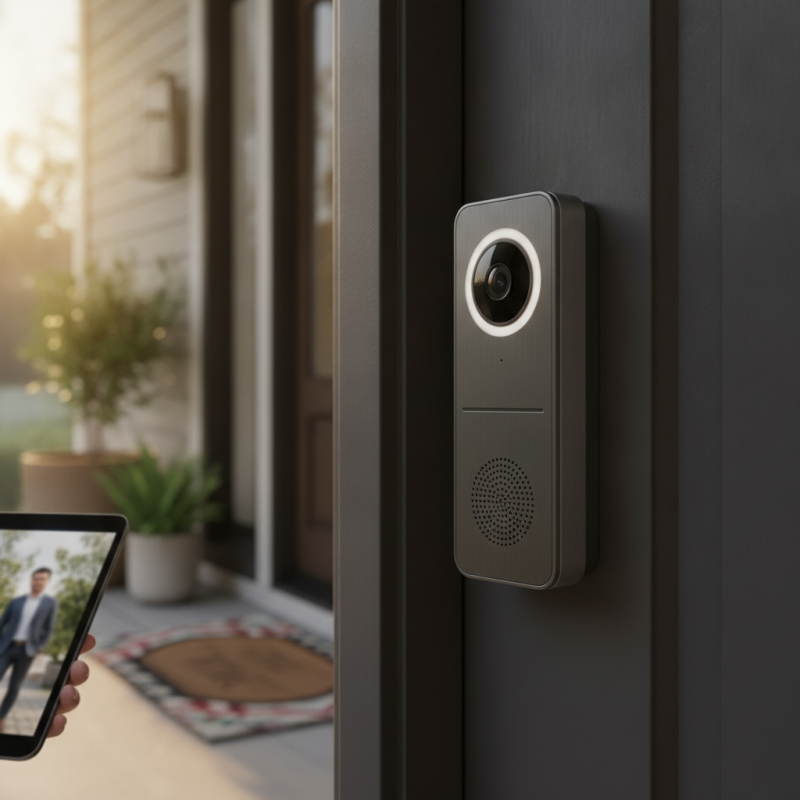
Visual doorbell cameras have gained popularity for their ability to enhance home security. They combine traditional doorbell functions with modern video technology, allowing you to see who is at your door, even when you're away. Understanding these basics can help you make an informed choice when selecting a visual doorbell camera module.
When choosing a visual doorbell camera, consider the resolution. A camera with at least 1080p provides clear images. Look for features like night vision and wide-angle views. Poor image quality can leave you vulnerable. Think about installation as well. Some models are easy to set up, while others require tools and expertise. Assess your comfort level with DIY projects before making your decision.
Always check the durability of the device. Weather resistance is crucial for outdoor use. A flimsy camera may not withstand harsh conditions. Look for reliable power options, too. Battery-operated cameras can be convenient, but they require regular charging. If you forget, you might miss important footage. Consider subscription plans for cloud storage. It’s essential for keeping footage accessible and secure. Remember, this is an investment in safety. Do your research and don't rush the decision.
Key Features to Look for in a Visual Doorbell Camera Module
When selecting a visual doorbell camera module, one should prioritize several key features. High-definition video quality is essential. A resolution of at least 1080p is recommended for clear images. According to industry reports, nearly 75% of homeowners prefer this standard for effective surveillance. Additionally, a wide field of view, ideally over 160 degrees, ensures that all angles are covered, enhancing security.
Two-way audio functionality is another critical feature. It enables real-time communication with visitors. An overwhelming 68% of users find this feature increases convenience and security. Moreover, night vision capability is vital. A camera that performs well in low light can capture crucial details, especially in dimly lit environments.
Lastly, ease of installation is often overlooked. Many users report frustration with complicated setups. Intuitive designs can significantly reduce the hassle. Always check for compatibility with smart home systems. This can enhance the overall experience. Considering these features can help streamline your decision-making process and lead to better security outcomes.
Evaluating Video Quality and Resolution in Doorbell Cameras
When selecting a visual doorbell camera, video quality is essential. Many users overlook resolution, thinking any HD option is sufficient. However, not all HD is created equal. Look for cameras that offer a minimum resolution of 1080p for clearer images. This level provides sharp details, aiding in recognizing faces and objects.
Field of view (FOV) is another critical factor. A wider FOV allows you to see more of the area outside your door. However, it can also distort images at the edges. Test the camera’s performance in varying light conditions. Low-light performance is vital for nighttime visibility. Some cameras struggle in dim settings, resulting in grainy footage.
Consider how compression affects video quality. Some cameras compress their footage too much, leading to pixelation. This loss of detail can be frustrating when reviewing footage. Delve into user reviews and expert analyses for insights. Real-life experiences often reveal strengths and weaknesses that specifications alone cannot convey. Balancing these elements will help you choose a doorbell camera that meets your needs.
Considerations for Smart Home Integration and Connectivity
When considering a visual doorbell camera module, smart home integration is crucial. Ensure the camera is compatible with your existing home ecosystem. A seamless integration allows devices to communicate effectively. This connectivity enhances the functionality of your doorbell camera, enabling remote monitoring and notification features.
Wi-Fi connectivity is a key aspect. Many cameras require a stable internet connection for optimal performance. Poor connectivity can lead to delays in alerts. Reflect on your home’s layout and Wi-Fi coverage. Consider adding extenders if necessary.
Data privacy matters in smart home devices. Look for cameras that encrypt data and offer secure cloud options. Transparency in privacy policies is essential. Evaluate the company’s reputation for data handling. Reliable brands share their security practices openly. Balancing convenience and security will support your smart home vision.
Budgeting: Choosing the Right Visual Doorbell Camera for Your Needs
When budgeting for a visual doorbell camera, start by identifying your needs. Consider factors like home size and required features. Do you want motion detection or night vision? Get clear on what’s necessary. Avoid overspending on extras you may never use.
Research is crucial. Prices vary widely across models. Set a budget that suits you, but remain flexible. A cheaper option may offer fewer features, while high-end models may include advanced technology. Assess user reviews to gauge reliability and performance. Quality does matter, yet that doesn’t always mean a hefty price tag.
Be aware that installation costs can add up. Some models are DIY-friendly, while others may require professional help. Factor this into your budget. Don't rush the decision; take time to explore various options. An informed choice leads to satisfaction. Thoughtful planning can prevent buyer's remorse down the line.