How to Choose a Sustainable Ebike for Your Business Needs?
Choosing a Sustainable Ebike for your business can feel overwhelming. The demand for eco-friendly transportation is growing rapidly. Industry expert, Emma Green, states, "Selecting a sustainable ebike is not just a trend; it’s a responsibility." Her words highlight the significance of making informed choices in this evolving market.
When considering a sustainable ebike, factors like battery life and maintenance come into play. It's essential to weigh the environmental impact of your selection. Not all ebikes are created equal. Some may promise sustainability but lack longevity. Investing in the right model means considering reliability too.
Your decision can influence your business's carbon footprint. Sustainable ebikes help reduce emissions and operational costs. However, it's vital to reflect on your specific needs. An ideal choice may not always be the most popular one. By prioritizing sustainable features, you can ensure your ebike aligns with your business values.
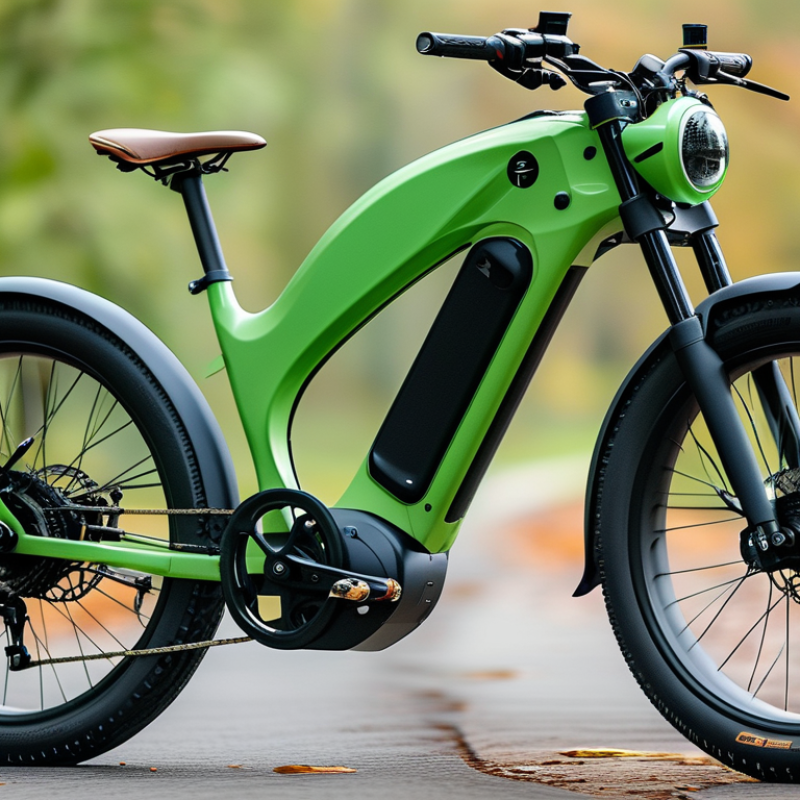
Understanding the Importance of Sustainability in Ebikes
Sustainability in eBikes goes beyond environmental benefits. Businesses now face pressure to adopt greener practices. According to a report by the International Energy Agency, the global eBike market is expected to grow significantly, indicating a demand for sustainable options. This trend captures interest in reducing carbon footprints.
Utilizing eBikes aligns with corporate sustainability goals. A study from Deloitte found that 66% of consumers are willing to pay more for sustainable products. This shift not only attracts environmentally conscious customers but also enhances brand loyalty. However, the challenge remains: how to choose the right eBike that meets sustainability criteria and business needs.
When selecting an eBike, consider energy efficiency and material sourcing. Research shows that eBikes can reduce greenhouse gas emissions by up to 90% compared to traditional vehicles. However, there is room for improvement. Some manufacturers still rely on non-eco-friendly materials, raising concerns. Regular evaluations are vital to ensure that eBikes align with sustainability values. Based on findings, continuous improvement in sourcing practices is key. This reflection can enhance both operational effectiveness and environmental impact.
Evaluating Your Business Requirements and Ebike Specifications
When evaluating your business requirements for a sustainable eBike, consider your operational needs. Assess the distance covered daily. Identifying this will help determine battery range and motor power. Different businesses have unique demands, and understanding yours is crucial for optimizing performance.
Tip: Analyze your terrain. If you operate in a hilly area, opt for a bike with higher torque. This ensures reliable performance without frequent recharges.
Also, think about cargo capacity. If your eBike needs to carry heavy loads, specifications matter greatly. Lightweight materials can enhance efficiency. Think about how durability impacts your choice. Will the bike endure daily use? Choosing a robust model may save costs in the long run.
Tip: Research local regulations. Understanding legal requirements can prevent future issues. Non-compliance may result in fines or operational delays.
Always reflect on how different specifications affect your efficiency. The right eBike can enhance productivity, reduce costs, and promote sustainability.
Key Features to Look for in a Sustainable Ebike
When selecting a sustainable ebike for business, key features play a crucial role. A high-quality battery is essential, with modern lithium-ion options providing better efficiency and lifespan. According to a report by the International Energy Agency, electric bicycles can reduce greenhouse gas emissions by up to 50% compared to traditional vehicles. This can enhance your brand's sustainability image.
Consider the bike's materials as well. Durable, recyclable components can limit environmental impact. Manufacturers are increasingly using aluminum and carbon fiber, known for their lightweight and strength. Moreover, check the bike's energy consumption. Some models guarantee a range of over 50 miles on a single charge, making them suitable for various business needs.
Tip: Look for bikes with regenerative braking systems. This feature can improve battery life and efficiency. Another important aspect is user adaptability. Ensure the ebike suits various rider sizes and skill levels. An uncomfortable bike may lead to underutilization, impacting your investment. It's worth revisiting the design and ergonomics of potential models as it directly affects employee satisfaction and productivity.
How to Choose a Sustainable Ebike for Your Business Needs? - Key Features to Look for in a Sustainable Ebike
| Feature | Description | Importance |
| Battery Type | Look for lithium-ion batteries which are more efficient and have a longer lifespan. | High |
| Motor Power | Consider motors with at least 250W for better performance. | Medium |
| Frame Material | Aluminum or sustainable materials are preferred for durability and weight. | High |
| Range Per Charge | A range of at least 30-50 miles is essential for business use. | High |
| Weight Capacity | Ensure it can support the load that will be carried, including rider and cargo. | Medium |
| Maintenance | Look for models that are easy to maintain and repair. | Medium |
| Warranty | A good warranty indicates reliability and support from the manufacturer. | High |
Assessing the Cost-effectiveness of Sustainable Ebikes
When evaluating the cost-effectiveness of sustainable eBikes for your business, consider several key factors. Initial investment is crucial. Sustainable eBikes often have a higher upfront cost than traditional bicycles. However, this may lead to significant savings over time. Reduced fuel costs, maintenance expenses, and lower emissions can all contribute to long-term financial benefits.
Operational efficiency is another important aspect. eBikes can increase delivery speed and expand coverage areas. When employees use them, businesses might reduce their need for vehicles. It’s essential to analyze the potential increase in productivity alongside the costs. In some cases, adapting to eBikes may require employee training or infrastructure changes. These considerations can add to initial costs but may yield bigger returns later.
Assessing your specific business needs is vital. Not all eBikes serve the same purpose. Some are designed for short urban commutes, while others can carry heavier loads. Understanding the environment where these bikes will be used helps in making an informed decision. Balancing costs with practical benefits is key. There’s often a learning curve in adjusting to new modes of transportation, which may require time and resources to navigate effectively.
Exploring Brands and Models with Sustainable Practices
When selecting a sustainable eBike for business needs, it’s vital to explore brands and models with environmental integrity. A report from the Global eMobility Alliance indicates that eBike manufacturers can significantly reduce carbon footprints. Brands that utilize recycled materials in their construction show a 20% decrease in emissions. Choosing products from such manufacturers can enhance your business’s sustainability profile.
In addition to materials, consider energy sources. Research highlights that eBikes powered by renewable energy during production can cut lifecycle emissions by up to 30%. However, not all brands prioritize this; some still rely on fossil fuels. This discrepancy requires careful research and likely consultation with industry experts to ensure compliance with sustainability goals.
Lastly, warranty services and product longevity matter. Brands with extensive warranties typically focus on quality, reducing waste. However, some cheap models may fail quickly, leading to higher long-term costs. It's essential to strike a balance between initial investment and sustainability benefits.