What Is Red Light Treatment for Face?
Red Light Treatment Face refers to a noninvasive skincare procedure that exposes facial skin to specific wavelengths of red light. Many devices use light-emitting diodes, or LEDs, rather than heat or ultraviolet rays. The aim is to influence processes in skin cells, including activity linked with repair and collagen production. Results can vary with the device, treatment schedule, and individual skin.
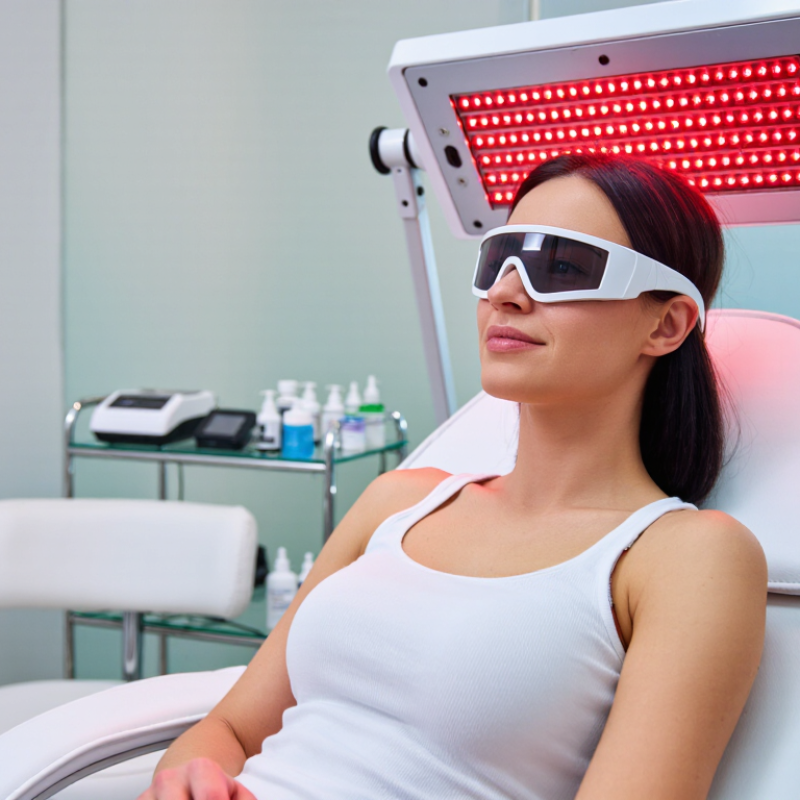
A typical session may involve sitting or lying beneath a light panel while wearing eye protection. The light may feel warm, but it should not cause pain. No needles. Some people explore this treatment for fine lines, redness, or acne, though research findings are not equally strong for every concern. Red light is not a guaranteed fix, and visible changes, if they occur, may take repeated sessions.
Device quality matters. Follow the manufacturer’s instructions, and ask a qualified healthcare professional about use if you have a skin condition, take medication that increases light sensitivity, or are unsure whether treatment is suitable. Avoid staring into bright LEDs. The evidence is still uneven, and that deserves honest attention. A careful overview should explain what the treatment may do, what remains uncertain, and how to weigh potential benefits against cost and realistic expectations.
What Red Light Treatment for the Face Is
Red light treatment for the face is a noninvasive procedure that exposes skin to specific wavelengths of red light. Some devices also use near-infrared light, which reaches somewhat deeper into tissue. Unlike tanning lamps, these treatments do not rely on ultraviolet light. The light may affect cellular processes involved in inflammation and collagen production, but results vary. It is not a facelift, and it cannot erase deep wrinkles.
A session often involves sitting or lying still while a panel or mask shines light across the face. The treatment is usually painless; some people notice mild warmth. Settings, treatment time, and schedules differ between devices, so instructions matter. Research suggests possible modest improvements in skin texture or fine lines, but evidence is still developing. The term can sound more exact than it is: device quality and individual response are not identical. People with eye conditions, skin disorders, or medicines that increase light sensitivity should ask a qualified clinician before starting.
Tips: Clean and dry your face first, follow the device instructions, and use eye protection if advised. Take a baseline photo in the same lighting. Stop if irritation develops, and seek professional guidance rather than increasing exposure on your own.
What Is Red Light Treatment For Face? - What Red Light Treatment for the Face Is | Topic | Typical Information | What to Keep in Mind |
| What it is | A non-invasive light treatment that exposes facial skin to low-intensity red light, sometimes combined with near-infrared light. | It does not use ultraviolet light and is different from tanning or laser procedures. |
| Common wavelengths | Red light devices commonly use wavelengths around 630–660 nanometers. Some also use near-infrared light around 810–850 nanometers. | Wavelengths and output vary by device; follow the device’s specifications and instructions. |
| How it may work | Light is absorbed by components in cells and may influence cellular signaling and energy processes. | The exact biological effects on facial skin are still being studied. |
| Commonly discussed uses | It is used or studied for concerns such as fine lines, skin texture, redness, and acne-related inflammation. | Research findings vary, and results are not guaranteed. It is not a substitute for medical treatment. |
| Session length | At-home device sessions often last several minutes, while some devices specify sessions of about 10–20 minutes. | There is no single session length for every device. Use the duration stated in its instructions. |
| Frequency and timeline | Device schedules vary; some suggest repeated use several times per week. Any visible change may require consistent use over weeks. | More frequent or longer exposure is not necessarily better. Follow the recommended schedule and reassess if irritation occurs. |
| Possible side effects | Some people may experience temporary warmth, redness, dryness, or irritation. | Stop use and seek medical advice if a reaction is persistent, painful, or worsening. |
| Eye safety | Bright light can be uncomfortable or potentially harmful to the eyes, depending on the device and exposure. | Follow the manufacturer’s eye-safety directions and use protective eyewear when instructed. |
| Who should seek advice first | People with light-sensitive conditions or who take photosensitizing medication may need extra precautions. | Consult a healthcare professional if you have a relevant medical condition, take photosensitizing medication, or are unsure whether treatment is suitable. |
| Choosing a device | Check the stated wavelengths, treatment area, instructions, and applicable safety information. | Do not assume that a device’s marketing claims prove effectiveness; follow local medical-device guidance. |
How Red Light Therapy Affects Facial Skin
Red light therapy exposes facial skin to low-level red or near-infrared light. Unlike ultraviolet rays, these wavelengths do not aim to create a tan. Researchers propose that skin cells absorb some of the light and alter cellular activity, including processes involved in inflammation and collagen production. The response depends on wavelength, dose, treatment time, and device fit. Results are not instant. A clinical study by Wunsch and Matuschka, published in Photomedicine and Laser Surgery in 2014, included 136 participants and reported improvements in skin roughness and fine lines after a course of red and near-infrared light treatments. These results are promising, but one study cannot predict what any individual face will do.
For facial skin, possible changes are modest: a smoother feel, less visible fine lines, or a more even-looking complexion. Red light is not a replacement for sunscreen, acne care, or treatment of a diagnosed skin condition. Keep expectations grounded. The evidence is uneven, and studies often use different wavelengths and schedules, making comparisons difficult. Even details matter: clean, dry skin and consistent treatment distance can affect exposure. Follow the device instructions, protect your eyes as directed, and stop if irritation develops. People with light-sensitive conditions or medicines that increase light sensitivity should ask a qualified clinician before treatment. A mirror may show small changes; it may also show none. That uncertainty deserves honest attention.
What to Expect During a Facial Treatment
What Is Red Light Treatment for Face?
What to Expect During a Facial Treatment
A red light facial usually starts with clean, makeup-free skin. Your provider may ask about skin sensitivities, medications, or recent treatments before beginning. Protective goggles are commonly used, since bright light can bother the eyes. The device is then positioned over your face, either close to the skin or slightly above it. You may feel gentle warmth, or almost nothing. The quiet can feel odd.
Sessions often last around 10 to 20 minutes, though the device and treatment plan affect timing. You can usually lie still and relax while red or near-infrared light reaches the skin. It should not feel hot or painful; tell the provider if it does.
Afterward, mild temporary redness is possible, but many people return to normal activities right away. Results are gradual and vary between individuals, so one session may not show much. That can be disappointing. Ask a qualified skin-care or medical professional whether the treatment suits your skin, especially if you have a light-sensitive condition or use medication that increases sensitivity.
Potential Benefits and Limits of the Evidence
Red light treatment for the face uses low-level red or near-infrared light, often delivered by a panel or handheld device. It is intended to influence skin cells without cutting or heating the skin like a surgical procedure. Some studies suggest it may modestly improve the appearance of fine lines, redness, or skin texture. The proposed effects include supporting cellular activity and collagen production, but the exact processes are still being studied. Results vary.
The evidence has limits. Research studies often involve small groups, different devices, and varied treatment schedules, making results difficult to compare. A benefit seen in one study may not appear with another device or for every skin type. Many studies also track changes over weeks or months, so they cannot establish how long improvements last. That uncertainty matters. Red light treatment should not be presented as a cure or a replacement for established care for acne, rosacea, or other skin conditions. Mild temporary irritation can occur, and eye protection may be needed, depending on the device. Anyone with a skin condition or using light-sensitive medication can ask a qualified health professional before starting. The routine may also require frequent sessions, and that practical detail is easy to overlook.
Safety, Side Effects, and Who Should Use Caution
Red light treatment for the face uses specific wavelengths of visible red light, sometimes with near-infrared light, to affect skin cells. It is noninvasive and usually feels warm, not hot. Still, gentle does not mean risk-free. Devices differ in intensity and instructions, so follow the manufacturer’s guidance and use recommended eye protection. Never stare into the light.
Temporary redness, warmth, dryness, or mild irritation can occur. Some people also report eye discomfort or headaches, especially after looking toward a bright panel. Stop if symptoms develop or worsen, and seek medical advice for persistent pain, vision changes, or a strong skin reaction. A comfortable session does not prove the treatment is helping; that can be easy to overlook.
Ask a dermatologist or clinician before trying it if you have a condition affected by light, an eye disorder, or a history of skin cancer. Check first if you take medication that can increase light sensitivity, since the risk depends on the drug and your health. People who are pregnant may also want individualized advice because safety evidence is limited. Avoid using a device on broken or inflamed skin unless a clinician advises otherwise.
What Is Red Light Treatment for the Face?
Common wavelength bands used in facial light treatments
Red and near-infrared light are different wavelength bands used in some photobiomodulation devices. Wavelength alone does not determine a treatment’s safety or effectiveness; exposure time, intensity, and device design also matter.
Use caution: Protect your eyes as directed by the device instructions. Ask a healthcare professional before use if you have a condition that causes light sensitivity, take photosensitizing medication, or have an eye condition. Stop if you experience discomfort or persistent irritation.