How to Choose the Right LCD Display Module?
Choosing the right Lcd Display Module can determine whether an electronic product feels reliable or frustrating. A bright screen may look impressive on a showroom table, yet perform poorly beside a sunny window. Engineers should examine display size, resolution, viewing angle, contrast, brightness, and operating temperature before approving a design.
The application should guide every decision. A handheld meter may need sunlight readability, low power consumption, and physical buttons. A medical monitoring device may require stable images, clear characters, and a dependable supplier. Touch functionality adds another layer, including cover glass thickness, response accuracy, and glove compatibility. Interfaces also matter. SPI, I²C, RGB, and LVDS can affect circuit complexity, cable length, and firmware development.
Do not rely on a product photograph.
A datasheet reveals details that marketing images often hide. Check mounting dimensions, connector orientation, backlight current, lifetime ratings, and available samples. Request test units and inspect them under real lighting conditions. Connect the module to the intended controller, then test startup behavior, refresh performance, and heat after several hours. Small inconsistencies can become expensive during mass production.
My practical experience suggests that the cheapest module is rarely the lowest-cost choice. Still, specifications do not guarantee perfect results. Supplier changes, discontinued components, and misunderstood viewing angles can weaken a sound design. I have also seen teams overvalue resolution while ignoring readability and service access. A careful selection process combines technical evidence, prototype testing, supplier communication, and honest review of uncertain assumptions. That approach makes the final display easier to use and easier to trust.
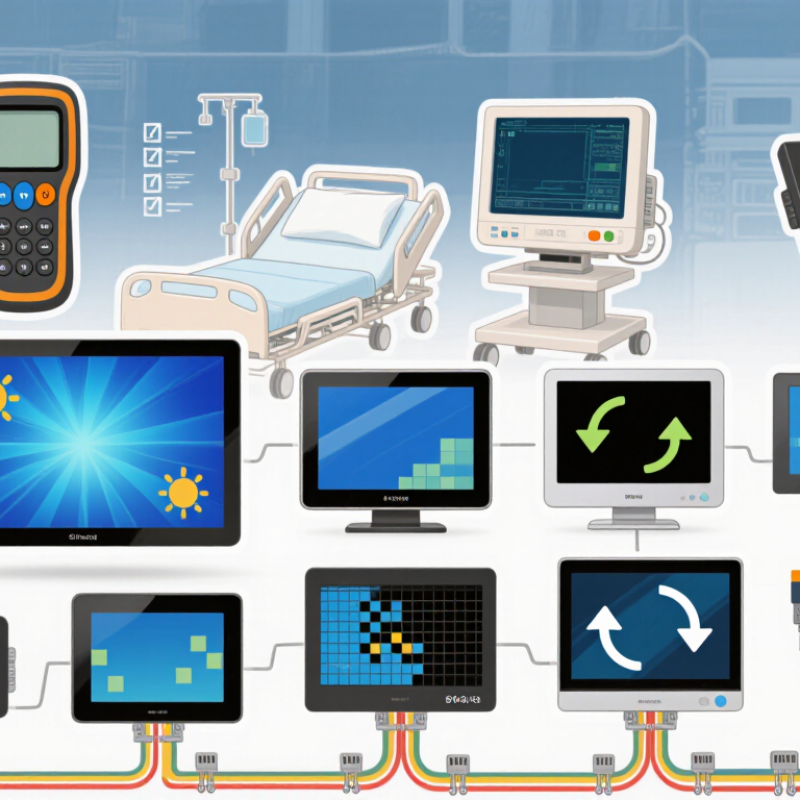
Define the Display Requirements for Your Device
How to Choose the Right LCD Display Module?
Define the Display Requirements for Your Device
Start with the information the user must read. A temperature controller may need large digits, while a handheld meter may require compact icons. Write down character size, viewing distance, color needs, and update speed. Do not choose resolution by habit. Extra pixels can increase cost and power use without improving usability.
Measure the real environment. Check whether the screen will face sunlight, darkness, dust, vibration, or changing temperatures. A bright display may remain readable outdoors, but it can drain a small battery quickly. Viewing angle also matters when users read the screen from the side. Test the module inside the actual housing, not only on a workbench. Small bezel changes can hide important content.
Check the electrical and mechanical details before approval. Confirm supply voltage, interface type, controller compatibility, mounting points, and connector position. Leave space for cables and protective glass. It is easy to overlook heat buildup behind a sealed panel. That mistake can shorten display life. A prototype should run through cold starts, long operating periods, and repeated button use. Review the results with fresh eyes. A specification sheet may look complete, yet it cannot reveal every problem in your device.
Compare LCD Module Types, Sizes, and Viewing Technologies
Choosing an LCD display module starts with the viewing task, not the catalog image. In field testing, a compact 2.4-inch TFT module suits handheld meters and control panels. Its 320×240 resolution keeps labels readable without demanding much processing power. Larger 7-inch modules give operators more room for charts, alarms, and touch controls. They also consume more energy and need stronger mechanical support. Size is never just a diagonal measurement.
LCD types differ in how they control light. TFT displays provide sharper color images and faster refresh for menus, graphs, and video. Character modules remain practical for simple readings, such as temperature or voltage. Monochrome graphic modules often work well where sunlight readability and low power matter more than color. I have seen teams choose color unnecessarily, then struggle with heat and battery life. That decision deserves a second look.
Viewing technology changes performance from one angle to another. TN panels are economical and responsive, but their colors can shift noticeably off-center. IPS panels preserve color and contrast across wider angles, helping several operators read one screen. Transmissive panels look bright indoors, while transflective or reflective designs can perform better in strong ambient light. Check the actual viewing direction, cover glass, backlight, and operating temperature. A datasheet may not show glare from a dusty workshop window. Test a sample there, even if the result challenges your original specification.
Evaluate Resolution, Brightness, Contrast, and Viewing Angles
How to Choose the Right LCD Display Module?
Evaluate Resolution, Brightness, Contrast, and Viewing Angles
Choosing an LCD display module starts with its working environment. Resolution should match the screen size and viewing distance. For a five-inch control panel, 800×480 pixels may show readable labels. A higher resolution can improve fine graphics, but it may raise power use and processing demands. I once selected a sharp panel that looked excellent indoors, yet its small text became difficult under sunlight. Screen size alone is misleading. Test it at the actual viewing distance.
Brightness must suit surrounding light. Indoor equipment may work well around 300 to 500 nits. Outdoor devices often need 800 nits or more, especially behind protective glass. Excessive brightness can increase heat and reduce service life. Contrast also matters. A high contrast ratio helps black text remain clear against a pale background. However, published ratios may use ideal laboratory conditions. Measure the screen with your intended backlight and cover.
Viewing angles deserve hands-on inspection. A wide angle is valuable when users stand or move beside the device. Check whether colors fade or dark areas become gray when viewed from 30 or 45 degrees. Compare the panel in portrait and landscape positions. Polarizer performance can change the result. Ask for sample units and record brightness, contrast, and color shifts. Do not rely only on a datasheet. I still make mistakes when testing too briefly. A longer trial often reveals glare, uneven lighting, or touch reflections.
Check Interface, Power, Touch, and Environmental Compatibility
Choosing an LCD display module starts with the interface, not the screen size. I once evaluated a compact panel that looked ideal on paper. Its interface required a different signal format, however. The prototype needed an adapter, extra wiring, and more testing. Confirm whether your controller supports parallel RGB, SPI, I2C, or another required protocol. Check signal timing, connector orientation, and cable length. Interface mistakes can delay a design more than a weak visual specification. Keep the pinout beside your schematic. It prevents assumptions.
Power compatibility deserves equal attention. Measure operating voltage, startup current, and backlight consumption under real conditions. A module may work on a bench supply, then reset when brightness rises. That happened during a field prototype. It was not dramatic, but it exposed a poor power margin. Leave room for tolerance, temperature changes, and cable losses. For touch, identify capacitive or resistive sensing, controller support, glove use, and required cover-glass thickness. Test touch through the final enclosure. Bare-panel testing can mislead.
Environmental compatibility is often underestimated. Match the display to humidity, dust, vibration, temperature, and cleaning exposure. A glossy surface may show fingerprints clearly in a workshop. Outdoor glare can make the same panel difficult to read. Check operating and storage ratings, sealing requirements, viewing angle, and optical bonding options. Documentation should state test conditions, not only attractive limits. I would also repeat tests after assembly, because mounting pressure can affect touch accuracy or cause uneven light. No selection is perfect. Reconsider weak assumptions before ordering production quantities.