How to Choose the Right Circuit Breaker Panel for Your Needs?
Choosing the right Circuit Breaker Panel is crucial for both residential and commercial applications. According to industry data, nearly 70% of electrical failures stem from inadequate breaker systems. This highlights the importance of selecting a reliable panel that matches your specific needs. With advancements in technology, modern circuit breaker panels offer features that enhance safety and performance.
When considering a Circuit Breaker Panel, factors such as ampacity, voltage rating, and compatibility with existing electrical systems are vital. Reports indicate that improper sizing of panels can lead to performance issues. There's a fine line between capacity and overloading, which can pose serious risks. Your choice must balance current demands and future expansions.
The right panel can reduce risks of electrical fires and equipment damage. However, it's common for consumers to underestimate the complexity of their electrical needs. Lack of adequate knowledge can lead to poor choices. Seeking expert advice is often necessary to ensure safety and compliance with local regulations. Reliability in a Circuit Breaker Panel only comes from informed decisions and thorough understanding of your requirements.
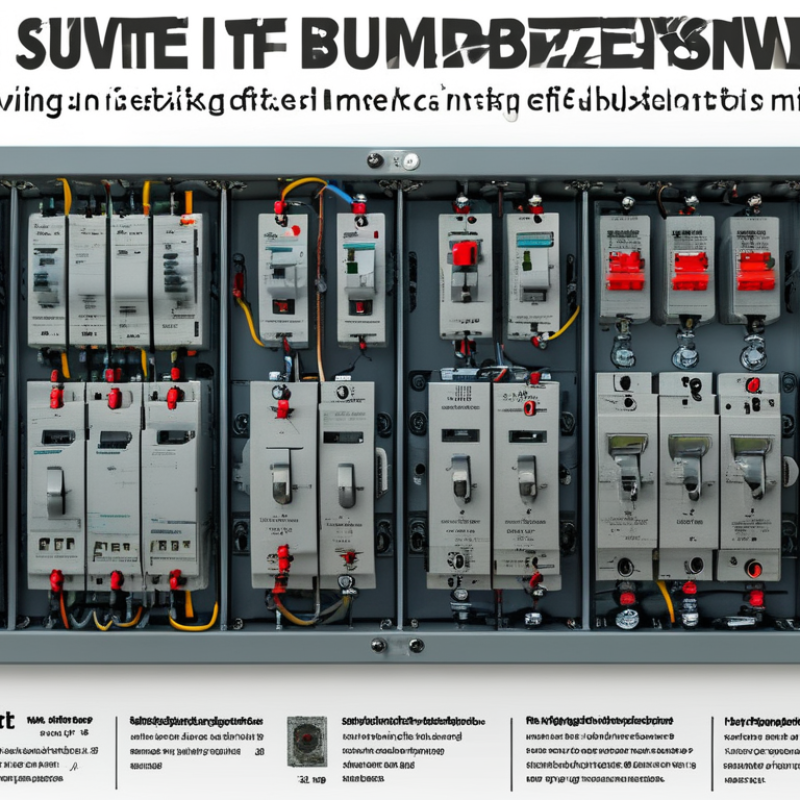
Understanding Circuit Breaker Panels: Basics and Functions
Circuit breaker panels serve as the core of your electrical system. Understanding their basics and functions is key to ensuring safety and efficiency. A good panel ensures that electrical currents are properly managed. When a circuit overloads, the breaker trips to prevent fires or damage.
Data from the National Fire Protection Association shows that electrical malfunctions contribute to around 30% of home fires. This statistic highlights the necessity of choosing the right panel for your needs. Most residential panels contain either 100, 150, or 200 amps, with 200 amps being standard for newer homes. It is crucial to assess your home’s electrical demands before deciding.
Tips: Consider your home's total load capacity. If you plan to add large appliances, like an HVAC system, upgrading your panel may be wise. Regularly inspect your panel for signs of wear. Flickering lights or tripped breakers are red flags that should not be ignored.
Being informed is essential in making the right choice. Local building codes may require specific panel types. If your panel is over 25 years old, it might need replacing regardless of its performance. Electrical safety is too important to overlook in your home.
Types of Circuit Breaker Panels: Pros and Cons of Each
When selecting a circuit breaker panel, it's vital to understand the types available. Each panel presents unique advantages and disadvantages. For instance, a main breaker panel allows for quick system shutdown. It offers robust protection, making it ideal for larger homes. However, it can be more expensive than other options.
On the flip side, a main lug panel connects directly to the main power supply. It's simpler and typically more affordable. However, it may lack some safety features found in main breaker panels. This option requires careful consideration, especially for homes with extensive electrical systems. Another type is a sub-panel. These are useful for expanding electrical supply in specific areas. Yet, installation can be complex, which might not be ideal for everyone.
Considering your specific needs is crucial. Assess the total load and the potential for future expansion. A professional electrician can provide valuable insights. Their expertise can help avoid costly mistakes. Every choice has its pitfalls. The journey to the right panel may require adjustments and learning.
Assessing Your Electrical Needs: Calculating Load Requirements
Assessing your electrical needs is essential when selecting a circuit breaker panel. Start by calculating your load requirements. This process helps you understand how much power you use daily. Gather information about all your electrical appliances. Consider major items like refrigerators, HVAC systems, and water heaters. Don’t forget smaller devices, too. Every watt counts.
Next, sum the wattages of all devices. You can find this information on labels or in manuals. Compare this total with the panel’s capacity. Ensure that the panel can handle peak usage. Keep in mind your home may need extra power for future additions. If uncertain, consulting a qualified electrician can provide valuable insights. They can spot potential issues and recommend the right panel for your needs.
While this may seem straightforward, remember that mistakes can happen. Overestimating needs might lead you to buy an oversized panel. Undervaluing could result in insufficient capacity. Balancing your calculations requires attention and a bit of experience. Reflect on your choices and ensure you're making informed decisions based on realistic data.
Electrical Load Requirements for Circuit Breaker Panels
Key Features to Look for When Choosing a Circuit Breaker Panel
When selecting a circuit breaker panel, several key features are critical. Start by considering the panel's capacity. This refers to the maximum amount of electricity it can handle safely. A panel should match or exceed your home’s total electrical load. Consult an electrician to determine your needs accurately. An underpowered panel can lead to overloads and potential hazards.
The type of circuit breakers is another significant factor. There are standard and GFCI breakers, each serving different purposes. Standard breakers protect against overloads. GFCI breakers help prevent electrical shocks, especially in wet areas like kitchens and bathrooms. Choose a mix that fits your environment. The panel’s layout is crucial too. Look for one with clear labeling and enough space for future expansions. This will help in troubleshooting and adding circuits later on.
Quality matters in circuit breaker panels. Ensure they meet safety standards. Inspect for certifications that indicate reliability. Pay attention to the materials used in construction, as durable materials lead to longevity. While cheaper options may save money upfront, they could result in higher costs over time due to risks and replacements. Being aware of these aspects is essential for making an informed decision.
Installation Considerations: Professional Help vs. DIY Approach
When considering the installation of a circuit breaker panel, a crucial decision is whether to hire a professional or take the DIY route. Hiring an electrician brings expertise and helps ensure the job meets local codes. Professionals can assess your electrical load requirements accurately. They know how to troubleshoot potential issues, which can save you time and stress. Unfortunately, the cost of professional installation may deter some homeowners.
The DIY approach can be appealing for those looking to save money. However, it's essential to have a solid understanding of electrical systems. Mistakes in installation can lead to hazardous situations. Consider the time and effort required for proper installation. Researching codes and safety measures is necessary. Reflect on your own skills and comfort level. Can you handle the complexities of wiring and circuit configurations? If not, a professional may be the better choice.