How to Choose the Best Water Filter Machine?

Blog

How to Choose the Best Water Filter Machine?

Choosing the right Water Filter Machine begins with the water entering your home. It should not begin with a glossy product image. The WHO and UNICEF Joint Monitoring Programme reported in 2023 that 2.2 billion people lacked safely managed drinking water in 2022. Local problems differ sharply. A clear glass may still contain lead, nitrates, chlorine, or microorganisms.

Water-quality reports provide the practical starting point. The U.S. Environmental Protection Agency recommends checking local Consumer Confidence Reports before selecting treatment equipment. NSF International standards also offer useful guidance. NSF/ANSI 42 addresses taste and odor. NSF/ANSI 53 covers specific health-related contaminants. NSF/ANSI 58 applies to reverse-osmosis systems. Certification matters, but only for the claims tested.

As water-treatment researcher Dr. Shane Snyder has explained, “There is no one-size-fits-all solution for water treatment.” That warning deserves attention. A carbon filter may improve a chlorine smell but fail against dissolved minerals. Reverse osmosis can reduce many contaminants, yet it may waste water and require regular membrane replacement. Ultraviolet treatment can target microorganisms, but it does not remove chemicals.

Look closely at the label. Check tested contaminants, flow rate, replacement costs, and certification details. Measure the available space beneath your sink. Note the first replacement date on a calendar. These small actions reflect real household experience.

The imperfect part is easy to overlook. Filter performance changes with water pressure, age, maintenance, and installation quality. A cheaper machine may become expensive later. The best choice is therefore not the most advanced Water Filter Machine. It is the machine matched to verified water problems, household demand, and a maintenance routine you can honestly sustain.
How to Choose the Best Water Filter Machine?

Identify Your Water Quality and Filtration Needs

Choosing a water filter machine should begin with your water, not the appliance. I once chose a filter after noticing a metallic taste. That was a weak method. Taste and odor can reveal problems, but they cannot identify every contaminant. Check your local water quality report for chlorine, lead, nitrates, hardness, and microbial risks. For private wells, arrange laboratory testing at least once a year, or after flooding and repairs. Keep the test report nearby when comparing filtration options.

Your household needs also matter. If you mainly want better taste, an activated carbon filter may be suitable. It can reduce chlorine and some organic compounds. Sediment filters help with sand, rust, and visible particles. Reverse osmosis can reduce many dissolved substances, but it may waste water and remove beneficial minerals. Ultraviolet treatment can control certain microorganisms, yet it needs clear water and reliable electricity. The wrong system may create confidence without real protection.

Capacity matters when several people fill bottles every day. A small unit may require frequent cartridge changes. Read replacement intervals carefully, because actual use often differs from laboratory conditions. Look for independent performance testing and clear contaminant claims. Avoid vague promises such as “purifies everything.” I also underestimated maintenance costs during my first purchase. A neglected filter can become a hygiene problem. Match the machine to verified test results, daily water volume, and your willingness to maintain it.

Compare Filter Types and Their Purification Capabilities

Choosing a water filter machine starts with the contaminant, not the appliance’s appearance. A practical test is simple: pour treated water into a clear glass, note its smell, and check the product’s certified claims. The WHO/UNICEF Joint Monitoring Programme reported that 2.2 billion people lacked safely managed drinking water in 2022. Source quality still matters.

Activated carbon filters reduce chlorine, unpleasant tastes, and some organic chemicals. They do not reliably remove bacteria, viruses, hardness, or dissolved salts. Reverse osmosis uses a membrane and can reduce many dissolved solids, including lead, arsenic, and fluoride, when properly certified. It also produces wastewater and may remove beneficial minerals. UV systems can inactivate many microorganisms, but they cannot remove metals, sediment, or chemical pollutants. Distillation removes many dissolved substances, yet it is slower and often uses more energy.

Certification deserves close attention. NSF/ANSI 42 generally covers aesthetic improvements, while NSF/ANSI 53 addresses specific health-related contaminants. NSF/ANSI 58 applies to reverse osmosis systems, and NSF/ANSI 55 covers ultraviolet treatment. These standards do not mean every model removes every contaminant; the exact claim must match the certificate. The U.S. Environmental Protection Agency also advises testing private wells before choosing treatment. I once treated “more filtration” as automatically better. That was too simplistic. A poorly maintained filter can become a neglected, damp compartment. Replace cartridges on schedule, and verify performance with independent laboratory results.

Check Flow Rate, Capacity, and Installation Requirements

How to Choose the Best Water Filter Machine?

Start with your daily water demand, not the machine’s appearance. A two-person home may need less capacity than a busy family kitchen. Check the stated flow rate in liters per minute. A slow system can make filling a large pot frustrating. However, a very high flow rate may reduce contact time with the filter media. Read the technical data carefully. I once chose a compact unit without checking pressure requirements. The water came out weaker than expected.

Capacity also affects convenience and running costs. Estimate drinking, cooking, and occasional appliance use. Then compare the filter’s rated capacity with that estimate. A small cartridge may require frequent replacement. That means extra expense and more maintenance. Check whether the capacity changes with local water quality. Sediment-heavy water can shorten service life. Actual performance varies.

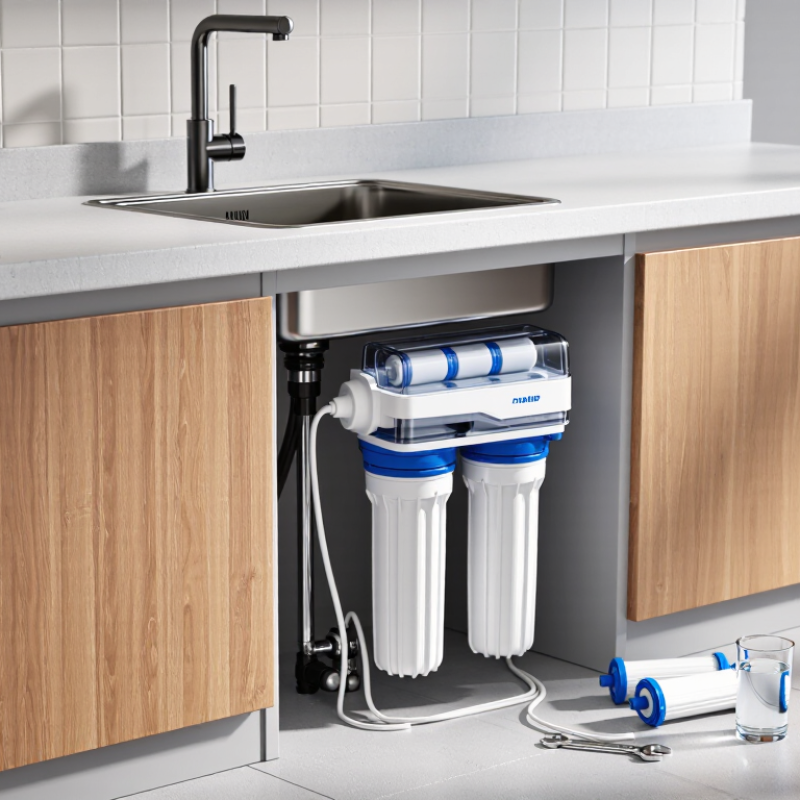
Installation requirements deserve equal attention. Measure the cabinet space, including room for cartridge removal. Check inlet size, drainage needs, and available electrical power. Some systems need a separate faucet or a connection to the drain line. A qualified installer can verify pressure and prevent leaks. Inspect the fittings after installation, especially under the sink. I prefer leaving clear access around the housing. It looks less tidy, but maintenance becomes safer. Keep replacement dates recorded. Forgetting them is easy.

Evaluate Certification, Maintenance, and Replacement Costs

How to Choose the Best Water Filter Machine?

Evaluate Certification, Maintenance, and Replacement Costs

When comparing a water filter machine, examine its certification before its appearance or advertised capacity. Look for testing by an independent laboratory and a certificate covering the specific contaminants you need removed. A general safety approval may not prove strong performance against lead, chlorine, or microorganisms. Check the certification number in the issuing organization’s public database. Marketing claims can be vague.

Maintenance details often reveal the machine’s real quality. Find out how often filters need replacement, whether tools are required, and if cleaning the housing is simple. In practice, hard water can shorten filter life, while heavy daily use increases flow resistance. Keep a basic replacement log near the machine. Taste alone is unreliable. Water can taste fine and still need testing.

Calculate the yearly cost before buying. Include cartridges, replacement seals, electricity, delivery, and professional servicing. A low purchase price may become expensive after several frequent replacements. Ask the supplier for laboratory data, expected filter life, and disposal instructions. A local water report can make this estimate more accurate. I would still leave room for error because household use rarely matches laboratory conditions. Some estimates feel precise, but they are not. Inspect leaks, unusual noise, and reduced flow every month.

How to Choose the Best Water Filter Machine?

Evaluate certification, maintenance frequency, and typical annual replacement costs before buying.

Activated-carbon and UV systems usually require fewer maintenance tasks, while reverse-osmosis and whole-house systems typically involve more replaceable components. The annual cost figures are realistic planning ranges for commonly sold residential systems and can vary with water quality, capacity, usage, and local prices. Look for independently verified performance claims against relevant standards, such as NSF/ANSI 42 for aesthetic effects, 53 for selected health-related contaminants, 55 for UV treatment, and 58 for reverse osmosis systems.

Select a Reliable Machine Based on Budget and Long-Term Use

How to Choose the Best Water Filter Machine?

Select a Reliable Machine Based on Budget and Long-Term Use

A water filter machine should fit your household budget and daily habits. A low purchase price can hide expensive replacement cartridges, electricity use, or frequent servicing. Check the filter lifespan carefully. Then calculate its yearly cost, not only the checkout price. Small details matter.

Reliable performance depends on more than attractive specifications. Look for clear test results, safety certifications, and a written maintenance schedule. The machine should match your water source and household size. For example, a family of four may need faster flow and a larger capacity. A small apartment may benefit from a compact system with simple cartridge changes. Confirm the replacement parts remain available in your area.

I have learned to inspect the filter housing, connection points, and waste-water rate before buying. These details reveal how practical ownership may become. Ask whether installation requires a specialist. Also check the warranty terms, service response, and cleaning instructions. A machine that saves money but becomes difficult to maintain can lose its value quickly. That was my mistake. I once focused on filtration claims and ignored cartridge costs. The monthly expense became higher than expected. Choose measured performance over impressive promises, and keep records of replacement dates.

How to Choose the Best Water Filter Machine? - Select a Reliable Machine Based on Budget and Long-Term Use

Machine Type Typical Purchase Budget Main Filtration Method Typical Flow or Output Common Contaminant Reduction Approximate Filter Life Maintenance Considerations Best Long-Term Use Case
Pitcher Filter US$20–60 Activated carbon and ion-exchange resin Approximately 1.5–3 L per batch Chlorine taste and odor; some models reduce lead and selected dissolved impurities Usually 1–2 months, depending on water quality and usage Low initial cost; requires frequent cartridge replacement and regular container cleaning Small households, renters, and moderate drinking-water use
Faucet-Mounted Filter US$25–80 Activated carbon block, sometimes combined with a sediment layer Approximately 1.5–3 L per minute Chlorine, unpleasant tastes and odors, sediment, and selected metals when certified for reduction About 2–4 months or 1,000–1,500 L for many cartridges Easy installation; may not fit all faucets; cartridge capacity falls in heavily sedimented water Low-cost point-of-use filtration for drinking and cooking
Under-Sink Carbon System US$100–300 Multi-stage sediment and activated carbon filtration Approximately 2–5 L per minute Chlorine, sediment, taste and odor; certified models may reduce lead, cysts, and selected chemicals Pre-filter: 6–12 months; carbon filter: commonly 6–12 months Requires cabinet space and periodic cartridge changes; installation may need a separate faucet Families seeking convenient drinking water without wastewater discharge
Ultrafiltration System US$150–400 Membrane filtration, commonly rated around 0.01 micron, with carbon pre-filtration Approximately 2–4 L per minute Sediment, bacteria, and larger particles; does not generally remove dissolved salts Approximately 12–24 months for the membrane; pre-filters may require earlier replacement Usually operates without electricity; membrane flushing and timely pre-filter replacement are important Municipal water with microbial or particulate concerns but acceptable mineral content
Reverse Osmosis System US$200–700 Sediment filter, activated carbon, and semipermeable reverse-osmosis membrane Approximately 0.1–0.4 gallons per minute at typical household pressure Many dissolved solids, salts, lead, arsenic, fluoride, nitrate, and other contaminants when properly certified Pre-filters: 6–12 months; membrane: commonly 2–5 years; post-filter: about 12 months Needs adequate pressure, storage space, sanitation, and periodic filter replacement; produces reject water Households needing broad dissolved-contaminant reduction or improved treatment for high-TDS water
Whole-House Carbon Filter US$400–1,500+ Large-capacity activated carbon, often preceded by sediment filtration Approximately 8–20 L per minute, depending on pipe size and water pressure Chlorine, taste, odor, and sediment; performance varies by contact time and certified claims Media commonly lasts 1–3 years, depending on usage and incoming-water quality Higher installation cost; requires space, valve maintenance, and periodic media replacement or backwashing Homes that want filtered water at multiple outlets, including showers and appliances
Selection checklist: Confirm the specific contaminants in the local water report, compare independently certified reduction claims, calculate annual replacement costs, check available water pressure and installation space, and verify that replacement filters remain readily available.