How to Choose the Right Solar Panel Connectors for Your Needs?
Choosing the right Solar Panel Connectors for your solar energy system can significantly impact performance and safety. Industry expert Dr. Emily Thompson emphasizes, “The right connectors ensure reliability and efficiency in solar setups.”
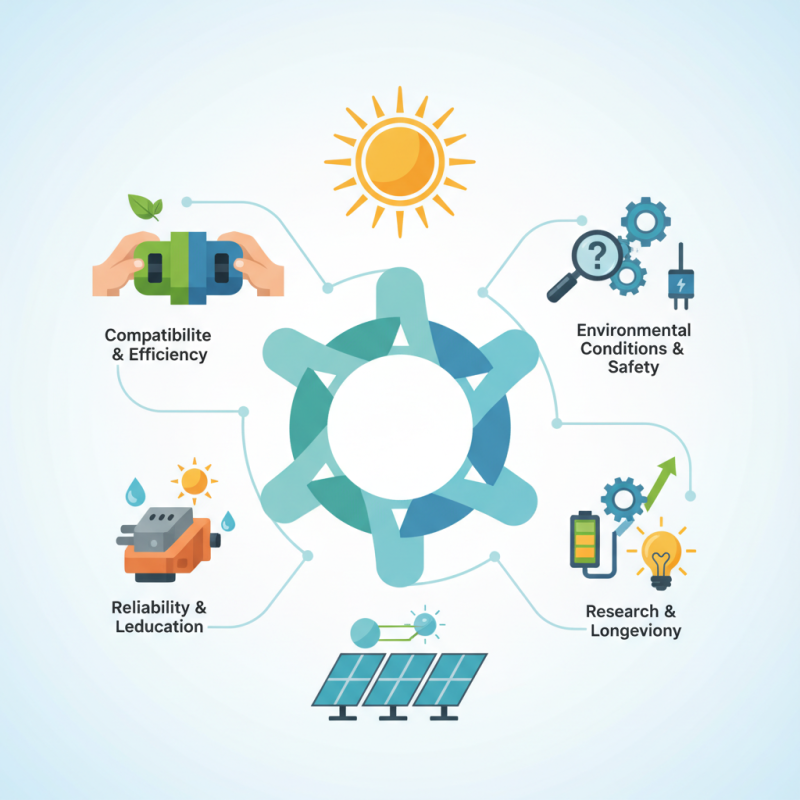
Solar Panel Connectors come in various types and specifications. Understanding your specific requirements is essential. Factors to consider include compatibility with your panels and environmental conditions. Poorly chosen connectors can lead to energy loss and safety hazards.
When making your choice, research is key. Incorrect selection often leads to costly repairs or system failures. Your power setup deserves the best components. Striving for the right fit can make a considerable difference in your solar longevity and efficiency. Aim to educate yourself and reflect on what truly meets your needs.
Understanding the Types of Solar Panel Connectors Available
Choosing the right solar panel connectors is crucial. Understanding the types available helps ensure your system operates efficiently. Common connectors include MC4 and XT60 options. MC4 is widely used, thanks to its reliable performance. XT60 connectors are excellent for smaller systems. Each type has specific applications, so select according to your needs.
When selecting connectors, consider the environment. Harsh conditions may require waterproof connectors. Ensure compatibility with your solar panels and inverters. Using mismatched connectors can lead to inefficiency and failure. Regularly inspect connectors for wear and damage. This helps maintain system performance over time.
Tips: Choose connectors that support the current your system needs. This prevents overheating and reduces risk. Always follow installation guidelines carefully. Proper installation is key to reliability. Inquire with professionals if unsure about connector types. Accurate knowledge and experience lead to better choices.
Evaluating Compatibility with Solar Panels and Inverters
When evaluating compatibility between solar panel connectors, focus on the type of panels and inverters used. Ensure that the connectors match the voltage and amperage specifications of your solar system. Many connectors come in various sizes and shapes, which can make selection tricky. If you use a connector that doesn't fit well, it can lead to inefficiencies.
Consider the material of the connectors as well. Some connectors are made from durable materials, while others may degrade over time. Using poor-quality connectors can cause issues like overheating or corrosion. Always refer to the technical documentation of your solar panels and inverters for guidance.
It's not uncommon to see mismatched components in solar setups. Many people overlook the details involved. This can lead to unexpected performance drops. Compatibility isn't just about fitting parts together; it's about ensuring long-term performance. Reflecting on your choices can help tailor a truly efficient setup.
Assessing the Voltage and Current Ratings of Connectors
When selecting solar panel connectors, understanding voltage and current ratings is crucial. Connectors must match the specifications of your solar setup. Overrated connectors can lead to overheating. Conversely, underrated connectors may break down too quickly.
It's essential to check the maximum voltage of your solar panels. Ensure that the connectors can handle this voltage. Current ratings are equally important. They dictate how much electricity can flow through. If the current exceeds the rating, connectors can fail or pose a fire risk.
Sometimes, connectors may look appealing but fail to deliver on performance. It's wise to analyze reviews and installation experiences. Understand that even high-quality connectors can have flaws. Choosing wisely involves considering all ratings, yet sometimes manufacturers don't provide complete information. Consider seeking advice when in doubt. Selecting the right connectors requires careful thought and research.
Exploring Weather Resistance and Durability Features
When selecting solar panel connectors, weather resistance and durability are critical factors. High-quality connectors can withstand harsh environmental conditions, ensuring a reliable energy output. Look for materials resistant to UV radiation, moisture, and extreme temperatures. Such durability translates into a longer lifespan for your solar system.
Consider connectors with robust sealing features. These minimize the risk of water entry, which can cause significant damage. Additionally, pay attention to the temperature rating. Connectors must perform well in both high heat and freezing conditions. Some designs may look sturdy but fail under pressure.
Performance in unpredictable weather requires caution. Even with the right materials, connectors can struggle if improperly installed. Regular maintenance checks can help identify early signs of wear. This proactive approach may prevent costly replacements later on. Always consult with an expert to ensure you select connectors tailored to your specific environment.
Weather Resistance and Durability of Solar Panel Connectors
Considerations for Installation and Maintenance of Connectors
When installing solar panel connectors, proper attention to detail is crucial. An estimated 80% of solar system failures arise from poor connections. Therefore, ensuring that connectors are correctly installed can vastly improve system reliability. Weatherproofing and corrosion resistance play significant roles. These features help prevent degradation over time, especially in harsh environments.
Regular maintenance is equally important. Experts recommend inspecting connectors every six months. Look for any signs of wear, corrosion, or overheating. These issues can lead to performance losses or complete system failures. The National Renewable Energy Laboratory (NREL) suggests that routine checks can extend the life of your solar system by at least 15%.
Keep in mind the varying standards for connectors. While some may meet basic certification, others exceed industry benchmarks. Researching connector specifications should be a priority. Aligning your choice with your solar system requirements will enhance efficiency. This thorough approach emphasizes making informed decisions for long-lasting performance.