7 Best Hair Removal Machines for Home Use?

Blog

7 Best Hair Removal Machines for Home Use?

Choosing a home hair removal device can feel confusing, especially when every product promises smoother skin. A Hair Removal Machine may use IPL or diode laser technology, and these systems are not identical. Their results depend on hair color, skin tone, treatment area, and consistent use. Dark hair often responds more visibly, while very light, gray, or red hair may respond poorly. Check the device’s suitability chart carefully.

This guide reviews seven popular hair removal machines for home use. It considers power settings, sensor technology, treatment speed, comfort, safety features, and long-term value. It also looks at practical details, such as whether the flash window fits small areas or whether the device becomes warm after several minutes. Small differences matter.

Safety comes first.

A patch test can reveal irritation before a full session. Follow the manufacturer’s instructions, protect your eyes, and avoid treating recently tanned or damaged skin. People with certain medical conditions, tattoos, or photosensitizing medications should ask a qualified healthcare professional before use. Product certifications and clear safety guidance also deserve attention, but marketing language is not proof of performance.

No device suits everyone. That is easy to forget. Some users may notice slower progress, uneven results, or discomfort despite careful treatment. This review aims to separate useful features from exaggerated claims, using available product information, user experience, and established hair-removal guidance. Think of it as a careful starting point, not a promise of permanent results.
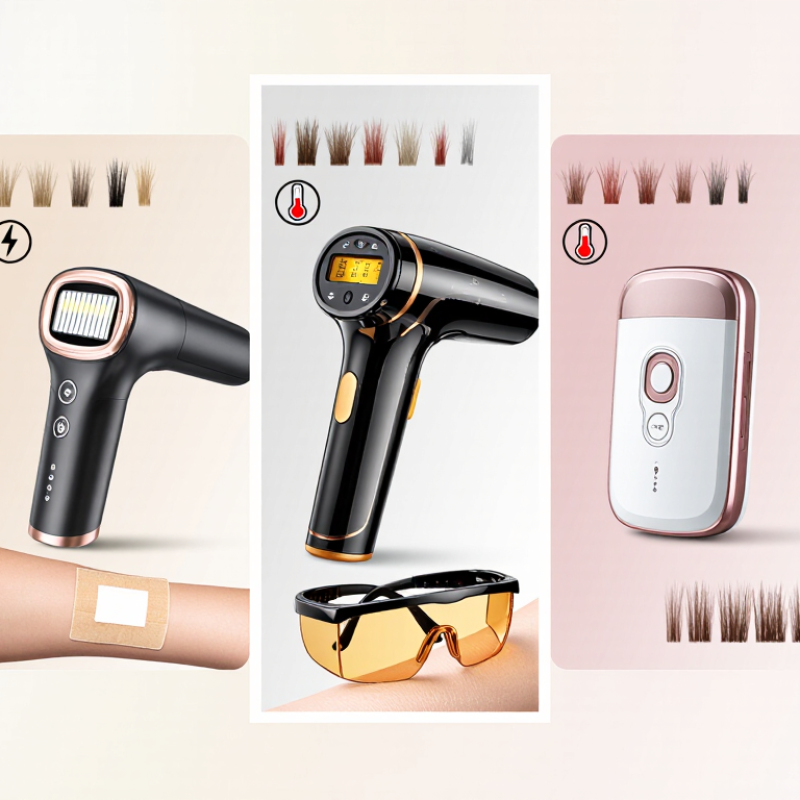
7 Best Hair Removal Machines for Home Use?

What Are Home Hair Removal Machines and How Do They Work?

What Are Home Hair Removal Machines and How Do They Work?

Home hair removal machines usually use intense pulsed light (IPL), diode laser energy, or mechanical epilation. IPL releases broad light pulses. The pigment in dark hair absorbs that energy and changes it into heat. Heat then weakens the follicle and slows future growth. Diode laser devices use a narrower wavelength, so their energy targets melanin more selectively. Mechanical epilators remove hairs from the root, but they do not affect follicle activity in the same way.

Timing matters. Hair grows in cycles, and light-based devices work best during the active growth phase. A 2023 systematic review in Lasers in Medical Science reported meaningful hair reduction after repeated IPL treatments, but results varied widely by skin tone, hair color, and device settings.

“Permanent reduction” is more accurate than permanent removal. The difference matters.

Industry data also shows growing consumer interest. Grand View Research valued the global laser hair removal market at about 1.03 billion U.S. dollars in 2023 and projected strong growth through 2030. That figure includes professional services, not only home devices. It should not be treated as proof that every household machine works equally well.

In practice, users usually shave first, clean dry skin, and test a small area. A brief flash may feel warm or like a rubber-band snap. Darker skin requires extra caution because surrounding pigment can absorb light and cause burns. Follow the manual carefully. I would not treat faster results as better results.

How to Compare the 7 Best Hair Removal Machines for Home Use

Comparing the 7 Best Hair Removal Machines for Home Use

The best home hair removal machine depends on technology, skin tone compatibility, treatment speed, and safety controls. The American Academy of Dermatology reports that professional laser hair removal often requires six or more sessions, with maintenance treatments sometimes needed. Home devices usually work more gradually. Set realistic expectations.

Check whether each device uses IPL or diode laser technology. IPL releases broad-spectrum light, while diode lasers use a narrower wavelength. Compare energy levels, pulse rate, treatment window size, and cooling features. A larger window may cover a lower leg faster, but it can feel less precise around ankles. Skin-tone sensors and contact sensors matter more than decorative screens. The U.S. FDA explains that clearance indicates regulatory review for a specific use, not guaranteed results for every user.

Read the instructions carefully. Test a small area first, then monitor redness, heat, or discomfort. Avoid treating recently tanned skin unless the manufacturer’s safety guidance allows it. The AAD also advises professional consultation for darker skin tones, because incorrect settings can increase pigment changes or burns. Independent clinical evidence remains uneven across home devices, so online ratings should not replace technical specifications. A high price can feel reassuring, but it proves little. I would compare documented testing, warranty support, replacement costs, and published safety data before choosing. Some devices promise permanent results, yet that wording deserves skepticism.

Which Hair Removal Machine Fits Different Skin and Hair Types?

Choosing among the seven best hair removal machines for home use starts with your skin tone and hair color, not the device’s appearance.

IPL machines usually work best on light to medium skin with dark brown or black hair. Dark hair responds best. Blonde, red, white, and gray hair may absorb less light, so results can be limited. Very deep skin tones require extra caution because the device may mistake skin pigment for hair pigment.

A machine with an automatic skin-tone sensor can reduce treatment errors, but it cannot replace careful reading. Look for adjustable intensity, clear safety instructions, and a built-in cooling feature if your skin feels sensitive.

Compact models suit small areas, such as the upper lip or underarms. Larger treatment windows save time on legs and arms. For coarse hair, stronger settings may help, although they can cause more warmth or temporary redness. Patch test a small area first.

Your routine also affects results. Shave before treatment, keep the skin clean, and avoid using the device over tattoos, dark moles, or irritated skin.

People with sensitive skin may prefer lower energy and longer intervals between sessions. People with darker skin should choose only a device specifically cleared for their tone, if available, and follow its restrictions closely.

Results are gradual, not magical. I would not trust dramatic claims after one session; hair growth cycles vary, and missed treatments can make progress look uneven. When uncertainty remains, professional advice is safer than guessing.

How to Use a Home Hair Removal Machine Safely and Effectively

How to Use a Home Hair Removal Machine Safely and Effectively

Home hair removal devices can work, but patience matters more than power. The U.S. Food and Drug Administration defines permanent hair reduction as stable regrowth reduction measured over six, nine, and twelve months. This is not the same as instant or complete removal. The American Academy of Dermatology also notes that professional laser treatment often requires six or more sessions. Home devices usually need consistent use for several weeks.

Read the manual before touching your skin. Shave visible hair, then clean and dry the area completely. Do not wax or pluck beforehand, because the device needs the hair root. Perform a small patch test and wait 24 hours. Stop if you notice blistering, severe pain, or lasting redness. Wear the recommended eye protection, and never flash over tattoos, dark moles, open wounds, or irritated skin. Keep the device away from children.

Skin tone and hair color affect results. Darker skin may absorb more light, increasing burn risk. Very light, red, gray, or white hair may respond poorly. A dermatologist can check uncertain cases, especially with skin disease, photosensitive medicine, or pregnancy. Avoid rushing sessions. More flashes do not mean faster progress. I sometimes underestimate how easy it is to miss a patch, so taking dated photos can reveal uneven treatment. Results are rarely perfect, and careless consistency can make them worse.

How to Maintain Results and Care for Your Skin After Treatment

After using a home hair removal machine, skin care affects how long results last. The American Academy of Dermatology Association notes that laser hair removal often requires six or more treatments, with maintenance sessions sometimes needed. Results are gradual, not instant.

Immediately after treatment, cool the area with a clean, damp cloth for several minutes. Apply a fragrance-free moisturizer, but avoid perfumes, deodorant, hot showers, saunas, and vigorous exercise for 24 hours. Skin may feel warm or look slightly red. That can happen. Persistent pain, blistering, or swelling needs professional medical advice.

Sun protection is essential. The AAD recommends broad-spectrum, water-resistant sunscreen with SPF 30 or higher. Apply it daily to treated areas, especially before outdoor activities. Avoid tanning before and after treatment, because recently tanned skin may react more strongly. Do not wax or pluck between sessions; trimming or shaving is usually less disruptive, if the device instructions allow it. A small patch test can reveal irritation before treating a larger area. It is tempting to use higher intensity for faster progress, but more heat does not always mean better reduction. Keep a simple treatment log, including dates, settings, redness, and hair regrowth. Results can be uneven, and that is worth noticing rather than forcing.

7 Best Hair Removal Machines for Home Use? - How to Maintain Results and Care for Your Skin After Treatment

Home Device Type Technology Best For Typical Treatment Schedule Expected Result Pattern How to Maintain Results Post-Treatment Skin Care Important Limitations and Safety Notes
1. Full-Body IPL Hair Removal Device Broad-spectrum light targets melanin in the hair shaft and reduces regrowth over repeated treatments. Legs Arms Underarms Bikini line Usually once weekly or every two weeks for the first 4–8 weeks, followed by occasional maintenance according to the instruction manual. Hair commonly grows back more slowly, more sparsely, and with finer texture. Results vary by body area, hair cycle, and hormonal status. Shave before treatment rather than waxing or plucking. Check the skin every few weeks and repeat treatment only when regrowth is visible and the manual permits it. Do not use on recently tanned or sunburned skin. Effectiveness is generally limited on white, gray, very blond, or red hair, and many devices are unsuitable for very dark skin tones.
2. Compact IPL Device for Small Areas IPL with a smaller treatment window for more controlled coverage. Upper lip Chin Underarms Bikini line Follow the device schedule, commonly weekly or every two weeks during the initial phase, then less frequently for maintenance. Progress is usually gradual because only actively growing hairs respond during each treatment cycle. Use a gentle, fragrance-free moisturizer after treatment. Avoid applying the device repeatedly to the same spot during one session. Facial use must be limited to areas approved by the manufacturer; avoid the eye area, eyebrows, lips, moles, tattoos, and irritated or broken skin.
3. Home Diode-Laser Device A narrow band of laser light is absorbed by hair pigment and can reduce regrowth after repeated use. Dark coarse hair Legs Underarms Bikini line Often used every 2–4 weeks at first, with later maintenance sessions based on regrowth and the specific device instructions. Keep a treatment log and maintain a consistent interval. Do not increase frequency or energy beyond the approved settings to speed up results. Cool the skin with a clean, cool compress if it feels warm. Use broad-spectrum sunscreen on exposed areas and avoid strong exfoliants for about 24–48 hours if the skin is sensitive. Home laser devices differ considerably in power and approved skin tones. Perform a patch test and stop if blistering, severe pain, or persistent discoloration occurs.
4. Wet-and-Dry Electric Epilator Rotating tweezers mechanically remove hairs from the root rather than using light energy. Legs Arms Body Use when regrowth becomes noticeable, commonly every 2–4 weeks depending on hair growth speed and personal preference. Results are immediate and usually last longer than shaving because the hair is removed from the root. Regular exfoliation may help reduce ingrown hairs. Wash and dry the skin gently. Apply a non-comedogenic moisturizer and avoid tight clothing, hot baths, and heavy sweating for the rest of the day if irritation occurs. It may cause temporary redness, discomfort, or ingrown hairs. Avoid use over eczema, active folliculitis, cuts, sunburn, or inflamed skin.
5. Precision Facial Epilator Small mechanical tweezers remove short facial hairs from the root. Chin Jawline Upper lip Typically every 2–4 weeks, or when enough regrowth is present for the device to grip effectively. Results are temporary but can last longer than surface shaving. Hair removal frequency depends on individual growth and hormonal changes. Clean the attachment before and after use. Apply a simple, fragrance-free moisturizer and avoid acids, retinoids, and abrasive scrubs for approximately 24 hours. Use gentle pressure and avoid moles, skin tags, active acne, cold sores, and irritated areas. Facial skin may become red for several hours.
6. Electric Body Shaver and Trimmer Blades cut hair at or just above the skin surface without removing the follicle. Sensitive skin Large body areas Quick touch-ups Use every few days to one week, depending on visible regrowth and the desired level of smoothness. Provides the least long-lasting result among the listed options, but it is generally quick and does not depend on hair or skin pigmentation. Use clean blades, shave in the direction of hair growth when irritation is a concern, and moisturize afterward. Replace or clean blades as recommended. It does not permanently reduce hair growth. Avoid pressing hard, shaving dry irritated skin, or sharing the device to reduce the risk of cuts and skin infection.
7. Spring Facial Hair Remover A flexible spring or coil mechanically grasps and removes individual facial hairs from the root. Upper lip Chin Small facial areas Repeat when regrowth is visible, commonly every 2–4 weeks. Treat small sections rather than repeatedly passing over one area. Hair is removed from the root, so results generally last longer than trimming but do not permanently stop follicle growth. Clean the tool before and after use. Apply a cool compress or gentle moisturizer if needed, and avoid makeup, fragrance, and intense sun exposure for several hours. Temporary redness and sensitivity are common. Do not use over active acne, cuts, eczema, cold sores, or other inflamed skin.

General care reminder: Perform a patch test before using any light-based device, read the device-specific skin-tone and body-area guidance, and use broad-spectrum SPF 30 or higher on treated skin exposed to daylight. Seek medical advice for severe pain, blistering, scarring, or persistent changes in skin color.